


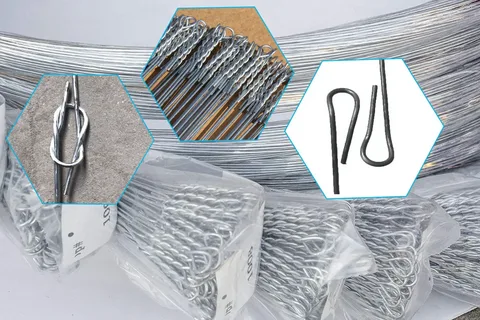
Tie wire is an essential tool in the construction industry, widely used for securing rebar, fencing, and other materials. While it might seem straightforward, improper use of tie wire can compromise structural integrity and safety. In this article, we’ll explore the 5 common mistakes to avoid when using tie wire to ensure your projects are safe, secure, and long-lasting.
1. Using the Wrong Type of Tie Wire
One of the 5 common mistakes to avoid when using tie wire is selecting the incorrect type for your specific application. Tie wire comes in various materials like black annealed, galvanized, and stainless steel. Each has different strengths and corrosion resistance levels.
Tip: Always match the wire type to the environment and structure requirements. For outdoor or marine environments, opt for galvanized or stainless steel wire to prevent rusting.
2. Improper Wire Gauge Selection
Choosing the wrong gauge is another frequent error. A wire that’s too thin may snap under pressure, while a wire that’s too thick can be difficult to twist and may damage the structure.
Tip: Understand the load requirements and select a wire gauge that offers the right balance between flexibility and strength.
3. Over-Tightening the Wire
Applying too much force when twisting tie wire can cause it to break or put excessive stress on the materials it’s holding together. This can lead to weakened joints or even structural failure.
Tip: Twist the wire snugly enough to hold materials firmly, but not so tight that it causes deformation or damage.
4. Failing to Follow Proper Tying Techniques
There are several tying methods such as saddle tie, figure-eight tie, and wrap-and-snap tie. Using the wrong technique or tying inconsistently can lead to instability in your structure.
Tip: Learn the appropriate tying methods for your specific use case and remain consistent across the entire project.
5. Ignoring Safety Precautions
Last but not least, safety is often overlooked. Tie wire can cause injuries such as cuts or punctures if not handled correctly. Moreover, failing to wear proper gloves and eye protection can expose workers to unnecessary risks.
Tip: Always wear protective gear and ensure your work area is safe and free from trip hazards caused by excess wire.
Conclusion
Whether you’re a seasoned professional or a DIY enthusiast, avoiding these 5 common mistakes when using tie wire is crucial for both safety and structural integrity. By selecting the right wire type, using the proper gauge, avoiding over-tightening, following correct tying techniques, and prioritizing safety, you can ensure a successful and durable project.
