


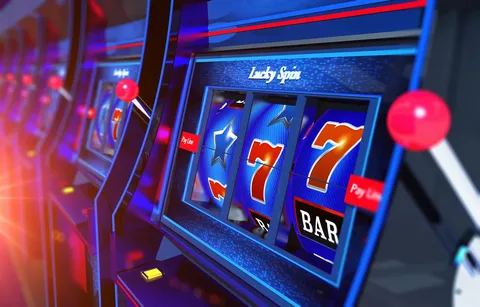
Slot machines are one of the most popular forms of gambling worldwide, attracting millions of players with their bright lights, catchy sounds, and promises of instant wins. However, what many people don’t realize is the powerful psychological mechanisms that make these machines so addictive. Understanding the psychology behind slot machine addiction can provide insight into why so many people struggle to stop playing, despite the risks involved.
How Slot Machines Hook Players
At the core of slot machine addiction is the design of the machines themselves. These games use variable ratio reinforcement schedules, a concept borrowed from behavioral psychology. This means that players receive rewards at unpredictable intervals, which is known to create strong and persistent behaviors. The unpredictability keeps players engaged, always hoping that the next spin will be a jackpot.
Visual and auditory stimuli also play a significant role. Flashing lights, ringing bells, and celebratory sounds upon winning all activate the brain’s reward centers, releasing dopamine—a neurotransmitter associated with pleasure and reinforcement. This dopamine release is a key factor in the psychology behind slot machine addiction, making players feel good and reinforcing the desire to continue playing.
The Role of Cognitive Distortions
Many people caught in slot machine addiction fall prey to cognitive distortions—erroneous beliefs about how gambling works. For example, the “near-miss effect” tricks players into thinking they almost won, encouraging them to keep trying. Another common distortion is the gambler’s fallacy, where players believe that after a series of losses, a win is “due.”
These distorted beliefs amplify the addictive nature of slot machines. Players convince themselves that persistence will pay off, despite the reality that slot machines are designed to favor the house. This aspect is a crucial part of the psychology behind slot machine addiction, as it keeps individuals trapped in a cycle of chasing losses.
Psychological and Social Consequences
The impact of slot machine addiction extends beyond the individual’s finances. It often leads to increased stress, anxiety, and depression. Social relationships can suffer as players spend more time and money gambling instead of engaging with family and friends.
Recognizing the psychological traps within slot machines can aid in prevention and treatment. Awareness of the psychology behind slot machine addiction allows individuals and professionals to develop strategies to break the cycle, such as cognitive-behavioral therapy and support groups.
Conclusion
The allure of slot machines is far more than just chance; it is deeply rooted in psychological principles designed to captivate and hold players’ attention. By understanding the psychology behind slot machine addiction, we can better appreciate the challenges faced by those affected and promote healthier gambling habits.
