


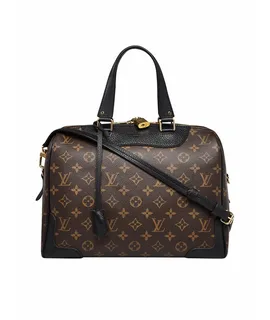
As environmental concerns continue to reshape consumer expectations, even the most exclusive brands are reevaluating their role in sustainability. Louis Vuitton’s sustainable initiatives in the luxury industry reflect a growing commitment to balancing luxury with environmental responsibility.
Redefining Luxury Through Sustainability
Traditionally, luxury fashion was associated with exclusivity, craftsmanship, and heritage. However, the 21st-century consumer is demanding more than just elegance—they want ethics and transparency. Louis Vuitton’s sustainable initiatives in the luxury industry are part of a broader transformation where prestige is now tied to purpose.
The brand has launched several programs aimed at reducing its environmental footprint while maintaining the high standards expected from a luxury house. From eco-conscious design to carbon footprint tracking, louis vuitton is working toward sustainability without compromising on quality.
Eco-Design and Material Innovation
One of the most notable areas of progress is in eco-design. Louis Vuitton is increasingly using responsibly sourced materials such as recycled polyester, organic cotton, and leather from certified tanneries. The brand has also embraced circular design principles, creating products that are easier to recycle or repair.
In 2021, the company launched its first eco-designed sneaker, the Charlie, made with 90% sustainable materials. This product marked a pivotal step in Louis Vuitton’s sustainable initiatives in the luxury industry, showcasing innovation without sacrificing style.
Sustainable Production and Green Workshops
Louis Vuitton is also investing in green infrastructure. Its workshops in France are powered by renewable energy and built to meet high environmental standards. These facilities are designed to reduce waste, energy use, and water consumption during the manufacturing process.
Moreover, the brand is aiming to reduce its greenhouse gas emissions by aligning with the Science Based Targets initiative (SBTi). This commitment ensures that their climate goals are in line with the Paris Agreement.
Transparency and Long-Term Goals
To maintain accountability, Louis Vuitton’s parent company, LVMH, publishes detailed sustainability reports outlining their progress. These reports include goals such as increasing the share of eco-designed products, improving supply chain traceability, and promoting biodiversity.
By embedding sustainability into its long-term strategy, Louis Vuitton’s sustainable initiatives in the luxury industry serve as a model for how heritage brands can lead the way in ethical transformation.
Conclusion
Louis Vuitton’s sustainable initiatives in the luxury industry demonstrate that even the most iconic fashion houses are capable of meaningful change. Through responsible sourcing, innovative design, and greener production methods, Louis Vuitton is helping to redefine luxury in a way that’s both aspirational and sustainable.
