


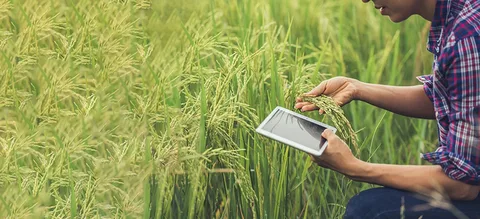
In the world of agriculture, technological advancements are transforming how farmers manage their crops and land. Among the most innovative tools reshaping the industry are drones and sensors. These technologies play a vital role in the emergence of precision agriculture, which allows farmers to monitor and optimize every aspect of farming operations with unparalleled accuracy. From improving crop yields to reducing environmental impact, drones and sensors are at the heart of the modern agricultural revolution.
What is Precision Agriculture?
Precision agriculture refers to the use of advanced technologies to enhance farming practices and increase efficiency. It involves gathering and analyzing data from a variety of sources, allowing farmers to make more informed decisions about irrigation, fertilization, pest control, and crop management. Drones and sensors are two of the primary technologies driving this shift.
Drones in Precision Agriculture
Drones are unmanned aerial vehicles (UAVs) that can be equipped with a variety of sensors and cameras. They provide farmers with the ability to capture aerial imagery and real-time data from their fields, making it easier to monitor large areas with minimal effort. The advantages of drones in precision agriculture include:
1. Aerial Surveillance for Better Crop Monitoring
Drones equipped with multispectral sensors can capture data across different light spectrums, including visible, infrared, and ultraviolet light. This allows for detailed assessments of crop health, detecting issues like nutrient deficiencies, pest infestations, and water stress long before they are visible to the naked eye.
2. Rapid and Efficient Data Collection
Unlike traditional methods, which might involve walking the fields or using expensive manned aircraft, drones can cover vast areas in a short period. This speed and efficiency allow farmers to conduct frequent monitoring, improving their ability to respond quickly to emerging issues.
3. Enhanced Yield Prediction
By gathering data throughout the growing season, drones help farmers predict crop yields more accurately. This information is critical for making decisions about harvesting, storage, and market timing.
Sensors: Collecting Vital Data
Sensors are another key component of modern precision agriculture. These devices can be embedded in the soil, attached to machinery, or placed in the field to gather a variety of data points that are crucial for crop management.
1. Soil Sensors
Soil sensors measure vital soil parameters, such as moisture levels, temperature, pH, and nutrient content. This data helps farmers make informed decisions about irrigation, fertilization, and crop rotation, ensuring optimal growth conditions for their plants.
2. Climate Sensors
Climate sensors monitor environmental conditions such as temperature, humidity, and atmospheric pressure. By tracking weather patterns in real-time, farmers can predict changes in the environment that may affect their crops, helping them plan irrigation or pest control measures.
3. Sensors on Tractors and Equipment
Modern tractors and farm equipment are often outfitted with sensors that track machinery performance, fuel usage, and implement pressure. This data helps optimize the use of resources and ensures that equipment is running efficiently.
How Drones and Sensors Work Together
When drones and sensors are used in tandem, they create a powerful combination that enhances the benefits of precision agriculture. Drones can collect aerial imagery and other data, while ground-based sensors provide real-time information from the soil and environment. The data from both sources can be integrated into a central system for analysis.
1. Real-Time Monitoring and Decision Making
With real-time data from drones and sensors, farmers can make quicker, more informed decisions. For example, if a drone detects a section of a field with low plant health, sensors in the soil can provide insights into whether the issue is related to soil moisture, nutrient deficiency, or another factor.
2. Optimizing Inputs
By integrating sensor data with drone imagery, farmers can apply fertilizers, pesticides, and water more precisely, targeting only the areas that need it. This targeted approach reduces waste, lowers costs, and minimizes the environmental impact of farming operations.
The Future of Drones and Sensors in Agriculture
As technology continues to advance, the role of drones and sensors in agriculture is only set to expand. Innovations like machine learning, artificial intelligence, and autonomous drones are making it easier to analyze data and automate farming practices. The ability to monitor crops and make real-time decisions will be crucial in meeting the challenges of feeding a growing global population while preserving the environment.
Conclusion
Drones and sensors are undeniably the backbone of modern precision agriculture. By providing farmers with detailed, real-time insights into crop health, soil conditions, and environmental factors, these technologies help maximize efficiency, reduce costs, and improve yields. As the agricultural industry continues to evolve, the integration of these technologies will be essential in shaping the future of farming, ensuring sustainable practices, and meeting the needs of the world’s growing population.
