


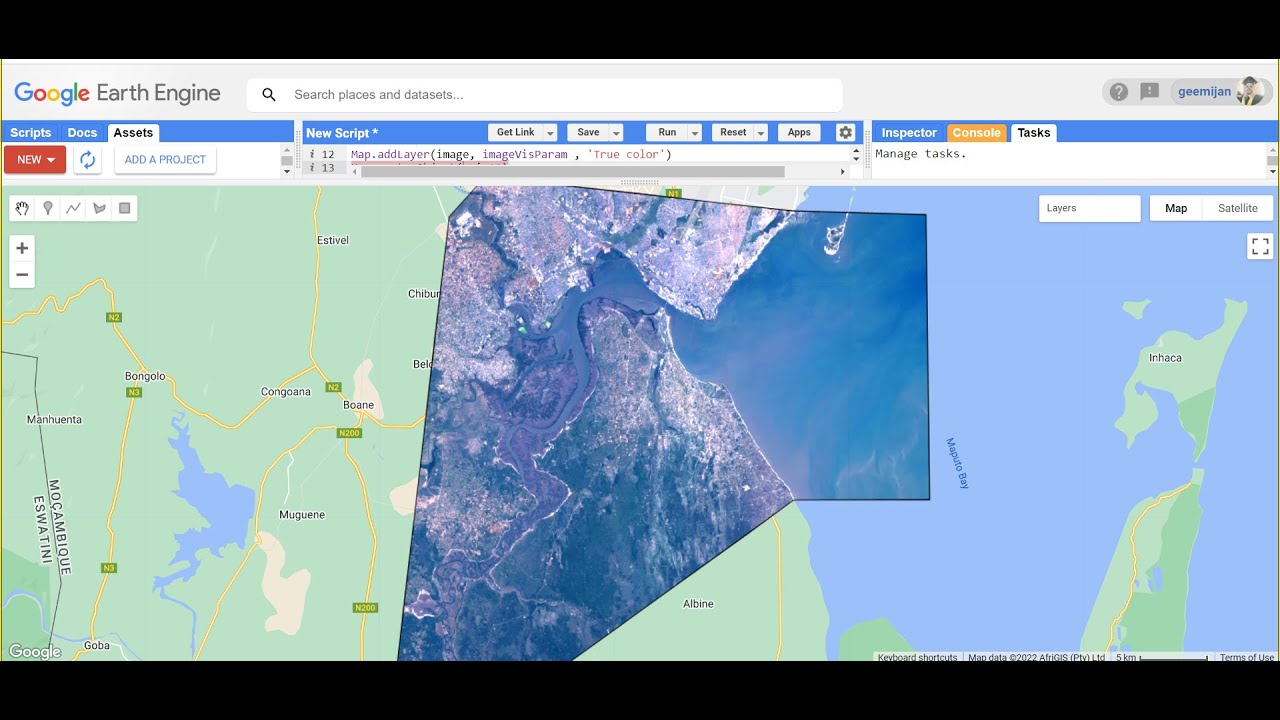
Geospatial mapping has transformed the way we understand our world, allowing us to visualize landscapes, track changes, and make informed decisions. The field relies on a wide range of technologies, each playing a vital role in collecting, analyzing, and interpreting spatial data. In this article, we explore the essential tools used in geospatial mapping, highlighting how advancements have expanded from satellites to sensors.
The Role of Satellites in Geospatial Mapping
Satellites have long been the backbone of geospatial data collection. Orbiting high above the Earth, they capture high-resolution images that cover large areas in real-time. This data is crucial for applications such as environmental monitoring, urban planning, and disaster management. Satellite imagery provides an overview that is impossible to achieve through traditional surveying, making it a foundational tool in modern geospatial mapping.
Drones and Aerial Imaging
While satellites provide a macro perspective, drones allow for detailed, localized mapping. Equipped with cameras and LiDAR sensors, drones can capture fine-grained data with high precision. These tools are particularly useful for mapping inaccessible areas, monitoring construction sites, or studying ecological habitats. The integration of drones into geospatial mapping demonstrates the shift towards combining multiple technologies for more accurate and dynamic data collection.
Ground-Based Sensors and GPS Technology
From satellites to sensors, ground-based tools form another critical layer of geospatial mapping. GPS devices, ground sensors, and IoT-enabled measurement systems provide real-time, location-specific information. This data complements aerial and satellite imagery, enabling a more detailed and comprehensive understanding of spatial patterns. Sensors can monitor environmental factors like soil moisture, air quality, and traffic flow, adding a new dimension to geospatial analysis.
Geographic Information Systems (GIS) for Data Integration
Collecting data is only part of the process; interpreting it requires powerful software solutions. Geographic Information Systems (GIS) integrate satellite images, drone data, and sensor readings into layered maps for analysis. GIS tools allow researchers, planners, and policymakers to visualize patterns, identify trends, and make informed decisions. They serve as the bridge between raw data and actionable insights in geospatial mapping.
Emerging Trends in Geospatial Technology
The future of geospatial mapping is moving towards more automated, sensor-driven, and AI-enhanced technologies. Advanced satellite constellations, real-time sensor networks, and machine learning algorithms are improving accuracy and efficiency. From satellites to sensors, these innovations continue to expand the possibilities for monitoring and managing our planet in ways that were once unimaginable.
Conclusion
From satellites to sensors, the tools used in geospatial mapping have evolved dramatically, combining aerial, ground, and analytical technologies to provide a comprehensive understanding of the Earth. These advancements not only enhance our ability to visualize and monitor spatial data but also empower decision-makers to address environmental, social, and economic challenges more effectively.
