


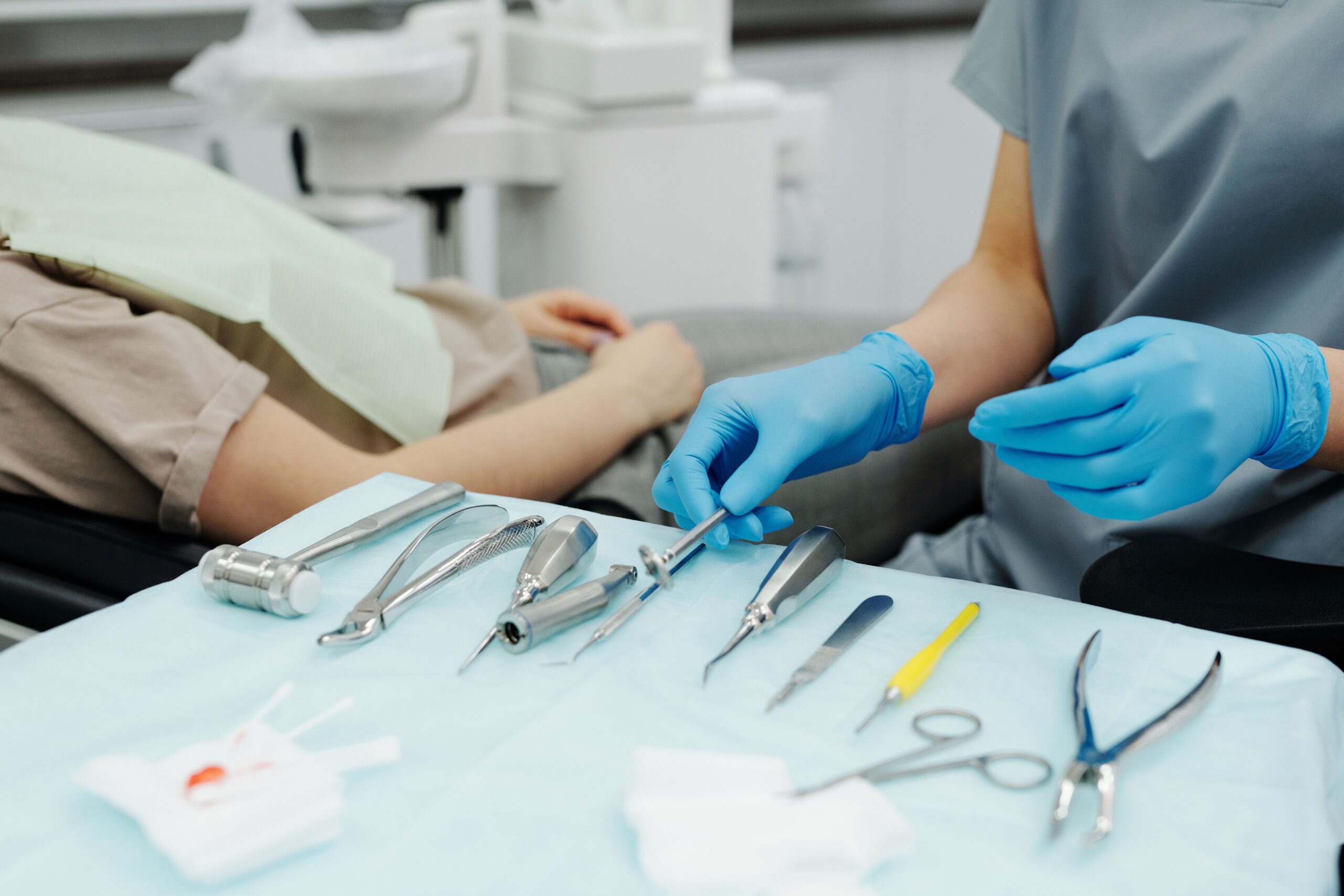
Having a tooth removed can bring a mixture of relief and uncertainty. The problem tooth may finally be gone, but now there is an empty space that needs time to heal. For many patients, the biggest question is simple: What happens next?
Recovery after a tooth extraction is not exactly the same for everyone. Removing a loose or damaged tooth may result in a relatively straightforward recovery, while a surgical extraction can require more time. Still, knowing how the first few days may unfold can help you feel better prepared.
The First Few Hours Are About Protecting the Area
Immediately after the extraction, your mouth may still feel numb from the anesthetic. This sensation can last for a while, so extra care may be needed when eating or drinking. Accidentally biting a numb cheek, lip or tongue is possible.
The extraction site will also begin forming a blood clot. Although it may seem like a small detail, this clot is an important part of the body’s natural healing process. It covers the socket and helps protect the tissues underneath.
Your dentist may place gauze over the area to help control bleeding. Slight oozing can occur during the early hours, but follow the instructions you receive about changing or removing the gauze.
Your Mouth May Feel Different the Next Morning
The day after an extraction, you may notice that the area feels tender. Some swelling can also develop, depending on the type of extraction and the tooth that was removed.
Do not be surprised if your mouth feels somewhat unfamiliar. You may naturally avoid chewing on the extraction side, and opening your mouth widely could feel uncomfortable for a short time.
These temporary changes are part of the recovery experience for many patients. However, symptoms should generally move toward improvement. If something becomes significantly worse or feels unusual, contacting your dentist is the safest approach.
Mealtimes May Require a Little Planning
After an extraction, eating is often one of the first everyday activities that needs to change. This is probably not the time for crunchy snacks or foods that require a lot of chewing.
Softer foods may be more comfortable during the early recovery period. It can also help to chew away from the extraction site when possible. Your dentist may provide more specific recommendations based on the procedure.
Temperature matters as well. Extremely hot food or drinks may be uncomfortable, particularly while the mouth is still sensitive.
Eating carefully does not mean skipping meals. Your body still needs nourishment while it recovers, so choose options that are manageable and follow any dietary guidance from your dental provider.
The Empty Socket Needs to Be Left Alone
It can be tempting to touch the extraction site with your tongue or check it repeatedly. However, giving the area time to heal without unnecessary disturbance is important.
Activities that create suction in the mouth may interfere with the blood clot. Patients are commonly advised to avoid using straws and to follow their dentist’s guidance regarding smoking or vaping.
Forceful rinsing may also be discouraged immediately after the procedure. When your dentist says it is appropriate to begin rinsing, follow the recommended method gently.
Protecting the socket during the early stage of healing can help reduce the risk of complications such as dry socket.
Brushing Your Teeth May Require More Care
A tooth extraction does not mean oral hygiene should be forgotten. The rest of the mouth still needs regular care, but the extraction site should be treated gently.
You may need to adjust how you brush for a short period. Avoid running the toothbrush directly over the healing socket unless your dentist tells you it is safe to do so.
Keeping the surrounding areas clean without disturbing the extraction site requires a careful balance. Your dentist may provide specific instructions based on where the tooth was located and how the procedure was performed.
Your Energy Level May Influence Your Schedule
Some people feel ready to return to their normal routine fairly quickly. Others prefer to take additional time to rest, especially after a more involved extraction.
It may be wise to keep the first part of recovery relatively calm. Strenuous exercise and demanding physical activities can sometimes affect bleeding or increase discomfort.
If you have work, sports or other physical commitments, ask your dental provider when it is appropriate to resume them. Recovery should not be treated as a competition. Giving your body enough time can be more helpful than rushing back into a full schedule.
Healing Is Not Always a Straight Line
You may feel better one day and notice more tenderness at another point. Minor fluctuations can occur, but the overall direction of recovery should generally be toward improvement.
The extraction site will also change in appearance as it heals. Because many people are unfamiliar with what a healing socket looks like, it can be easy to become concerned about every change.
Rather than trying to diagnose the area based on internet photos, contact your dental provider if you have questions. They can determine whether what you are experiencing is expected for your specific procedure.
Some Symptoms Deserve a Phone Call
Not every uncomfortable sensation means something is wrong. However, severe or increasing pain, persistent heavy bleeding or other concerning symptoms should be discussed with a dental professional.
Pain that becomes significantly worse after initially improving may also require attention. Difficulty breathing or swallowing should be treated as an urgent medical concern.
Your dentist would generally rather know about a potential problem early than have you wait while symptoms become more serious.
Recovery Is Part of the Treatment
A tooth extraction does not end when you leave the dental office. The days that follow are an important part of the overall treatment process.
Your main job during recovery is relatively simple: follow your dentist’s instructions, protect the extraction site and pay attention to how you feel. Avoid rushing the healing process or comparing your experience too closely with someone else’s.
With appropriate aftercare and enough time, the mouth can gradually adjust after a tooth is removed. Knowing that tenderness, dietary changes and a temporarily altered routine may be part of the process can make recovery less surprising and easier to navigate.
