


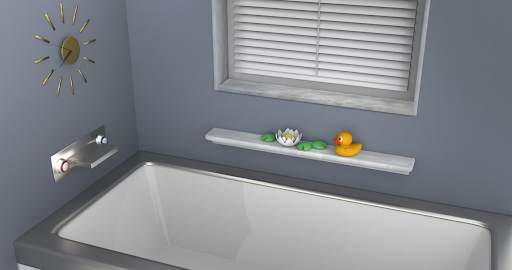
Replacing a bathtub can dramatically improve the look, functionality, and comfort of your bathroom. However, bathtub replacements require careful planning and execution. Making the wrong choices or overlooking details can lead to costly mistakes, delays, and frustration. By understanding common pitfalls, homeowners can ensure a smoother, more successful replacement process.
Ignoring Proper Measurements
One of the most common mistakes during bathtub replacements is neglecting accurate measurements. It’s essential to measure the space, including the width, length, and height, as well as the location of plumbing fixtures.
Selecting a bathtub that doesn’t fit the space can lead to costly modifications, wasted time, and an uneven installation. Double-checking all dimensions before purchase is critical to avoid these issues.
Overlooking Plumbing Considerations
Plumbing plays a crucial role in a successful bathtub replacement. Many homeowners make the mistake of assuming the new tub will align perfectly with existing plumbing.
However, differences in drain placement, faucet height, and water connections can cause problems. Consulting a professional plumber before installation ensures that the plumbing setup is compatible, preventing leaks and future repairs.
Choosing the Wrong Material
The material of your bathtub affects durability, comfort, maintenance, and overall aesthetic. Selecting a tub solely based on price or appearance can be a mistake. Acrylic, fiberglass, cast iron, and steel all have different characteristics, including weight, heat retention, and resistance to chipping.
Understanding the pros and cons of each material helps homeowners make informed decisions for long-term satisfaction with their bathtub replacements.
Skipping Professional Installation
While DIY projects are popular, bathtub replacements often require professional installation. Attempting to install a heavy or complex bathtub without expertise can result in improper alignment, leaks, or structural damage.
Hiring a licensed installer ensures the job meets safety standards, plumbing codes, and manufacturer requirements. Professional installation may cost more upfront but saves money by preventing future issues.
Neglecting Ventilation and Moisture Control
Bathrooms are prone to moisture buildup, which can damage flooring, walls, and fixtures over time. A common mistake during bathtub replacements is ignoring proper ventilation and moisture barriers.
Ensuring adequate ventilation, using waterproof materials, and sealing edges around the bathtub reduces the risk of mold, mildew, and structural problems, preserving both the tub and the bathroom.
Overlooking Style and Functionality
While appearance is important, functionality should not be overlooked. Choosing a tub that looks great but is uncomfortable or impractical can reduce satisfaction. Consider depth, length, accessibility, and additional features such as grab bars, slip-resistant surfaces, or built-in seating.
Balancing aesthetics with practical considerations ensures your bathtub replacements improve both style and long-term usability for every member of the household.
Final Thoughts
Bathtub replacements are an investment that enhances your home’s comfort and value. Avoiding common mistakes such as inaccurate measurements, plumbing oversights, wrong material choices, and poor installation ensures a smooth process and long-lasting results.
By planning carefully, consulting professionals, and considering both style and functionality, homeowners can enjoy a beautiful and functional bathroom for years to come. Thoughtful preparation and attention to detail make bathtub replacements a rewarding and hassle-free experience.
