


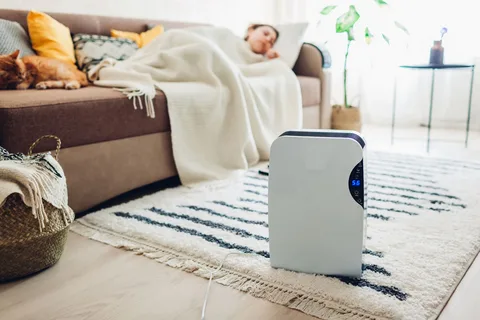
Living with allergies can be a daily struggle, especially when the air inside your home contributes to your symptoms. From dust mites to mold spores, many allergens thrive in humid environments. Thankfully, one effective way to tackle these irritants is by using a dehumidifier. In this article, we’ll explore how dehumidifiers for allergies can significantly improve indoor air quality and help you breathe easier at home.
Understanding the Connection Between Humidity and Allergies
Humidity plays a major role in the development and persistence of indoor allergens. When moisture levels are high, your home becomes a breeding ground for mold, mildew, and dust mites—all of which are known triggers for allergy sufferers. Keeping the humidity level between 30% and 50% is ideal for minimizing these allergens.
What Is a Dehumidifier and How Does It Help?
A dehumidifier is an appliance designed to remove excess moisture from the air. By maintaining optimal humidity levels, it prevents the growth of mold and limits the population of dust mites. This leads to a healthier indoor environment and a noticeable reduction in allergy symptoms.
Using dehumidifiers for allergies is especially beneficial in areas like basements, bathrooms, and laundry rooms—spaces that tend to be damp and poorly ventilated.
Benefits of Using Dehumidifiers for Allergies
Here are a few specific benefits of using a dehumidifier to combat allergies:
- Reduces Mold Growth: Mold spores are one of the most common allergens. A dehumidifier inhibits their growth by keeping the air dry.
- Minimizes Dust Mites: These microscopic pests thrive in humid conditions. Lowering humidity makes it harder for them to survive.
- Improves Overall Air Quality: Dehumidifiers help clear the air of musty odors and airborne irritants, creating a more comfortable living space.
Choosing the Right Dehumidifier for Your Home
When shopping for dehumidifiers for allergies, consider the following factors:
- Room Size: Choose a unit that’s appropriate for the size of the room where you plan to use it.
- Drainage Options: Some models have built-in pumps or continuous drain options, which are convenient for regular use.
- Air Filters: Some dehumidifiers come with HEPA filters or antimicrobial features for added air purification.
Conclusion
If you or a loved one suffers from allergies, investing in a dehumidifier can be a game-changer. By creating a dry, allergen-free environment, dehumidifiers for allergies help you breathe easier, sleep better, and enjoy your home more comfortably. Whether you’re dealing with seasonal allergies or year-round sensitivities, this simple appliance could make a world of difference.
