


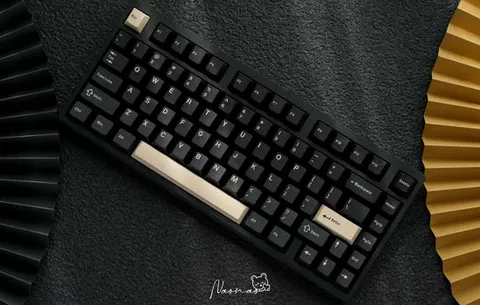
In the world of mechanical keyboards, there are a wide variety of layouts, each catering to different preferences and needs. One layout that has gained significant popularity in recent years is the 75 keyboard. Known for its compactness and functionality, the 75% layout strikes a balance between a full-sized keyboard and more minimalist options like the 60% or 65% layouts. In this article, we’ll explore the different layouts of 75% keyboards and discuss the benefits they offer to users.
What is a 75% Keyboard?
Before diving into the various layouts and benefits, let’s first clarify what a 75% keyboard is. A 75% keyboard is a compact version of a full-sized keyboard that retains most of the essential keys while eliminating the number pad and some other less frequently used keys. Typically, a 75% layout includes the alphanumeric keys, function row, and arrow keys, but shrinks the overall size by reducing the number of keys in the bottom row and on the sides.
Key Features of 75% Keyboards
- Compact Form Factor: A 75% keyboard is more compact than a full-sized keyboard, taking up less desk space and making it more portable.
- Function Row: Unlike 60% or 65% layouts, the 75% keyboard includes a function row (F1-F12), which is essential for productivity and gaming shortcuts.
- Arrow Keys: The 75% layout also keeps dedicated arrow keys, unlike more minimalist layouts that require the use of Fn (function) keys to access the arrows.
Exploring the Different Layouts of 75% Keyboards
While the 75% layout generally refers to a specific size and arrangement of keys, there are still variations in how different brands and manufacturers implement this layout. These differences mainly revolve around the placement of certain keys, especially in the bottom row and around the edges of the board. Let’s take a closer look at the common types of 75% keyboard layouts:
1. Standard 75% Layout
The standard 75% layout is the most common form of 75% keyboards. In this layout, the keys are arranged in a compact yet traditional manner. The function keys (F1-F12), arrow keys, and a few other important navigation keys (Home, End, Page Up, and Page Down) are all present in a relatively condensed form, but they are still easily accessible.
Benefits:
- Familiar key placement
- Retains all the essential keys (F-keys, arrows, navigation keys)
- Great for productivity and everyday tasks
2. Ortho 75% Layout
The Ortho 75% layout is a unique variation where the keyboard is designed with ortholinear key switches. This means that the keys are arranged in a grid rather than the staggered layout that is typical for most keyboards. Although this might take some time to get used to, the Ortho layout is preferred by some users for its ergonomic potential and ease of typing.
Benefits:
- Reduced strain on the fingers and wrists
- More ergonomic design for users with specific needs
- Compact and portable without sacrificing functionality
3. Split 75% Layout
In a split 75% keyboard layout, the board is divided into two separate halves, which can be positioned independently. This layout is popular among people who prioritize ergonomics and comfort. Users can adjust the distance and angle of the two halves, allowing for a more natural hand positioning and reduced strain on the wrists.
Benefits:
- Customizable ergonomics for optimal hand placement
- Can help prevent repetitive strain injuries (RSIs)
- Ideal for people who prefer a more flexible typing experience
Benefits of 75% Keyboards
Now that we’ve explored the different layouts of 75% keyboards, let’s dive into the key benefits these boards offer:
1. Space-Saving Design
One of the most significant advantages of a 75% keyboard is its compact form factor. With the elimination of the number pad and some of the less essential keys, these keyboards take up far less desk space. This makes them an ideal choice for users with limited desk space, or those who prefer a clean and minimalist setup.
2. Enhanced Portability
Thanks to their smaller size, 75% keyboards are much more portable than full-sized keyboards. They are lightweight and easy to carry around, making them perfect for people who travel frequently or like to take their keyboard to work, school, or gaming events.
3. Better Typing Efficiency
Although the layout is more compact, 75% keyboards retain all the keys you need for productivity tasks, gaming, or general use. The function row and arrow keys are still present, which many 60% or 65% keyboard users often miss. This makes the 75% layout an ideal middle ground, offering a good balance of functionality and size.
4. Aesthetically Pleasing
75% keyboards are often praised for their aesthetic appeal. The compact design creates a sleek, minimalist look that many users find visually appealing. Additionally, the more condensed layout can help reduce visual clutter on a desk, contributing to a cleaner, more organized workspace.
5. Customization Options
Like many mechanical keyboards, 75% boards come with various customization options. Users can choose from a variety of key switches, keycap designs, and even programmable layouts. Some 75% keyboards also offer hot-swappable switches, allowing users to change switches without soldering.
Conclusion
Exploring the different layouts of 75% keyboards reveals a range of options that can cater to different user needs and preferences. Whether you’re looking for a compact board that still offers all the essential keys, or you want something more ergonomic or customizable, the 75% layout has something to offer. With benefits like enhanced portability, better typing efficiency, and a more streamlined aesthetic, it’s no wonder that the 75% keyboard has become a popular choice for tech enthusiasts, gamers, and productivity-focused individuals alike.
