


Introduction
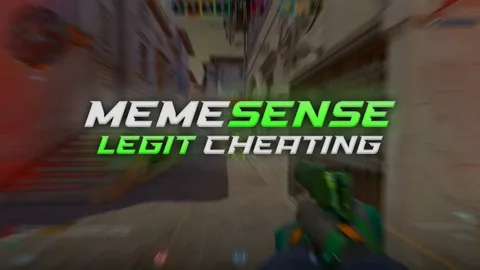
What started as a joke has now taken the Counter-Strike 2 (CS2) community by storm. From Trolling to Top-Fragging: Inside the MemeSense CS2 Phenomenon, we explore how a group of players built an ironic playstyle that not only mocks the meta but also dominates it. Welcome to the world of MemeSense, where memes meet mechanics and trolling turns tactical.
The Birth of MemeSense
MemeSense began as a satirical response to hyper-competitive CS2 strategies. It originated in online forums and Discord groups where players experimented with unconventional buys, weird positioning, and “unspoken rules” like never planting the bomb on A site — just because. Players would rush with Negevs, throw smokes into spawn, or fake callouts in team chat — all for laughs.
What nobody expected was that this approach would begin to work.
Turning Chaos into Strategy
From Trolling to Top-Fragging: Inside the MemeSense CS2 Phenomenon lies a key truth: unpredictability is a weapon. When opponents are busy trying to counter textbook strats, MemeSense throws them completely off. Opponents expect executes — they get five-man knife rushes. They expect eco rounds — MemeSense double ops.
Over time, these chaotic strategies evolved. Players refined their methods, learned to read opponents, and integrated actual game sense. Ironically, the most unserious players became some of the most dangerous on the server.
Community and Culture
MemeSense isn’t just a playstyle; it’s a subculture. Livestreamers and YouTubers popularized the phenomenon, racking up millions of views with “Troll Strat Only to Global” challenges and “Winning With No Crosshair” videos.
MemeSense clans began popping up, complete with themed avatars and ironic call signs like “CoachBot420” and “SilverSensei.” What seemed like throwaway content quickly built loyal followings and Discord communities with thousands of members.
And suddenly, “trolls” were top-fragging in ranked matches — with style.
Why It Works: The Meta Disruptor
The reason MemeSense works can be boiled down to one word: disruption. While traditional teams rely on structure, MemeSense thrives in confusion. When the enemy team expects a slow B split and gets a flashbang into their own spawn, it disrupts not just their position, but their mindset.
MemeSense players often switch styles mid-match — from hyper-aggressive entry fragging to pretending to AFK in spawn — keeping everyone guessing. This forces more “serious” teams to overthink, hesitate, and ultimately lose momentum.
This unpredictable approach continues to draw more attention, further validating the transition from trolling to top-fragging: inside the MemeSense CS2 phenomenon.
What’s Next for MemeSense?
Will MemeSense be the next esports meta? Probably not — but that’s not the point. MemeSense represents a refreshing break from the pressure of ranked play. It shows that creativity, fun, and a bit of absurdity can thrive even in a competitive environment.
As long as players keep finding joy in the unexpected, MemeSense will remain a powerful (and hilarious) force in CS2.
Conclusion
The journey from trolling to top-fragging: inside the MemeSense CS2 phenomenon proves that gaming culture is constantly evolving. What starts as a joke can reshape how players see the game. In the case of MemeSense, the line between clowning and clutching has never been blurrier — or more fun.
Whether you’re a hardcore fragger or a casual memer, one thing’s for sure: CS2 will never be the same again.
