


As industries rapidly move toward automation, accuracy, and intelligent machine vision, the structured light sensor camera system has become a vital tool in 3D imaging. From robotics and industrial automation to healthcare and consumer electronics, this technology is redefining how machines perceive depth, dimensions, and spatial data.
In this comprehensive guide, we’ll explore what a structured light sensor camera system is, how it works, its advantages over other 3D imaging methods, and the most common applications across various sectors. Whether you’re a tech developer, manufacturer, or business owner looking to implement advanced vision systems, this article is your go-to resource for understanding and leveraging this powerful tool.
What Is a Structured Light Sensor Camera System?
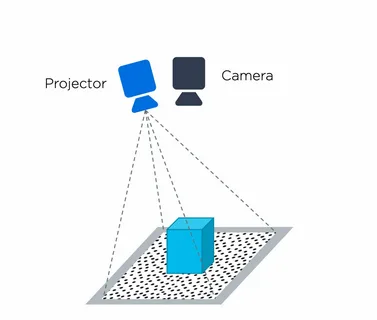
A structured light sensor camera system is a 3D imaging solution that uses a known light pattern—such as stripes, dots, or grids—projected onto a surface. The distortion of the pattern when it hits an object is captured by a camera, and through triangulation and processing, the system reconstructs a detailed 3D model of the object.
Unlike passive depth-sensing techniques like stereo vision, structured light is an active 3D vision system. It uses its own light source, which allows it to function reliably even in environments with poor ambient lighting.
How Does a Structured Light Sensor Camera System Work?
The core components of a structured light sensor camera system include:
-
A light projector that emits a pre-designed pattern
-
One or more cameras to capture the deformed pattern on the object’s surface
-
A processing unit that analyzes the distortion and computes 3D coordinates
Here’s a simplified breakdown of the process:
-
The projector emits a structured light pattern (e.g., a series of horizontal stripes).
-
The pattern hits the object and deforms according to the object’s shape.
-
The camera captures the distorted image.
-
Software analyzes how the pattern has shifted and calculates depth and contours.
-
A 3D point cloud or mesh is created from the measurements.
This active projection mechanism allows structured light sensors to offer high precision and resolution, making them perfect for close-range, detailed 3D scanning tasks.
Structured Light vs. Other 3D Sensing Technologies
There are several other 3D sensing techniques, each with its strengths and limitations. Let’s compare the structured light sensor camera system with some popular alternatives:
The structured light sensor camera system is especially suited for tasks that require close-range precision, such as facial recognition, object modeling, and robotic guidance.
Key Advantages of Structured Light Sensor Camera Systems
Choosing a structured light system brings several benefits, particularly when precision and compact form factor are critical. Here are some of the key advantages:
1. High Accuracy and Resolution
Structured light systems can capture surface details with sub-millimeter accuracy. This makes them ideal for applications like dental scanning, manufacturing inspection, and biometric verification.
2. Compact and Portable Designs
Modern structured light sensor camera systems are compact and can be integrated into handheld devices, tablets, or robots. This portability enhances their utility across various industries.
3. Real-Time 3D Data Processing
Thanks to advancements in processors and GPUs, these systems can now offer real-time depth maps and 3D models, essential for applications like gesture control or automated assembly lines.
4. Safe for Human Interaction
Unlike lasers or other high-energy sources, structured light uses safe infrared or visible light, making it suitable for close-range scanning of humans, such as facial recognition or fitness tracking.
Applications of Structured Light Sensor Camera Systems
The flexibility of the structured light sensor camera system means it is being adopted across numerous industries. Let’s take a look at some of the most impactful applications.
Robotics and Automation
-
Bin picking and object recognition
-
Obstacle detection for mobile robots
-
Real-time feedback for robotic arms in assembly tasks
Healthcare and Medical Imaging
-
Orthodontic scanning and dental impressions
-
Body shape analysis for prosthetics and physical therapy
-
Non-contact biometric scans
Consumer Electronics
-
Facial recognition in smartphones and security systems
-
Gesture control in gaming and smart devices
-
Augmented reality systems for immersive experiences
Quality Control and Manufacturing
-
Inline inspection of components and assemblies
-
3D scanning for reverse engineering
-
Precision measurement in automated QA systems
Logistics and Retail
-
Package dimensioning
-
Shelf stocking automation
-
Automated item recognition
Choosing the Right Structured Light Sensor Camera System
With the market growing, it’s essential to choose a structured light sensor camera system that suits your specific use case. Here are some factors to consider:
Resolution and Accuracy
For applications like dental scanning or small part inspection, opt for high-resolution systems with micron-level accuracy.
Range and Field of View
If you’re scanning larger objects, select a system with an extended depth range and a wide field of view.
Integration and Compatibility
Ensure the system supports SDKs and APIs compatible with your existing software stack, whether you’re using ROS for robotics or Unity for AR applications.
Speed and Processing Power
For real-time systems, pay close attention to frame rate and onboard processing capabilities to ensure lag-free performance.
Environmental Conditions
If your application involves bright sunlight or dark rooms, make sure the sensor is tuned for those conditions, as some structured light systems are sensitive to ambient lighting.
Market Trends in Structured Light Sensor Technology
The structured light sensor camera system market is expected to grow substantially in the coming years due to increased demand in automation, AI, and 3D sensing. According to industry reports:
-
The global 3D sensor market is projected to reach $10+ billion by 2027.
-
Structured light systems are widely adopted in AR/VR, automotive, and healthcare sectors.
-
Advancements in AI-powered depth sensing are pushing the boundaries of what structured light can do.
Companies like Intel (RealSense), Microsoft (Azure Kinect), and Apple (TrueDepth) are major players investing in this technology.
Limitations of Structured Light Sensor Systems
While the advantages are compelling, it’s also important to acknowledge the limitations:
-
Short Range: These systems are best suited for close to mid-range scanning.
-
Sensitivity to Ambient Light: Some setups may struggle in bright outdoor conditions.
-
Performance on Shiny/Transparent Surfaces: Reflective materials can cause inaccuracies.
-
Computational Requirements: Real-time processing demands significant hardware performance.
Understanding these limitations can help in selecting the right hardware or supplementing it with other sensor types for hybrid systems.
Best Practices for Using Structured Light Sensors
To get the most out of your structured light sensor camera system, follow these best practices:
-
Calibrate your system regularly for optimal accuracy
-
Use proper lighting conditions or shielding to reduce ambient interference
-
Combine with other sensor types (e.g., RGB or ToF) for more robust data
-
Keep lenses and projectors clean to maintain data fidelity
-
Use industrial-grade mounts to minimize vibrations
Future of Structured Light Sensor Camera Systems
As machine learning continues to evolve, structured light systems will become more intelligent. Future innovations are expected to include:
-
AI-driven noise filtering for cleaner depth maps
-
Miniaturized sensors for wearable tech and IoT devices
-
Integration with 5G/Edge computing for real-time analytics
-
Greater energy efficiency for battery-powered applications
The next generation of structured light sensor camera systems will be smaller, faster, and smarter—unlocking new capabilities across all industries.
Conclusion
The structured light sensor camera system is transforming how machines and devices perceive the 3D world. With its ability to capture precise depth data in real-time, it’s becoming a cornerstone of advanced vision systems in robotics, healthcare, manufacturing, and consumer tech.
If you’re planning to adopt or upgrade your 3D imaging solutions, structured light sensors offer a balance of affordability, accuracy, and versatility. As the technology matures and integrates with AI and edge computing, its potential applications will only continue to expand.
