


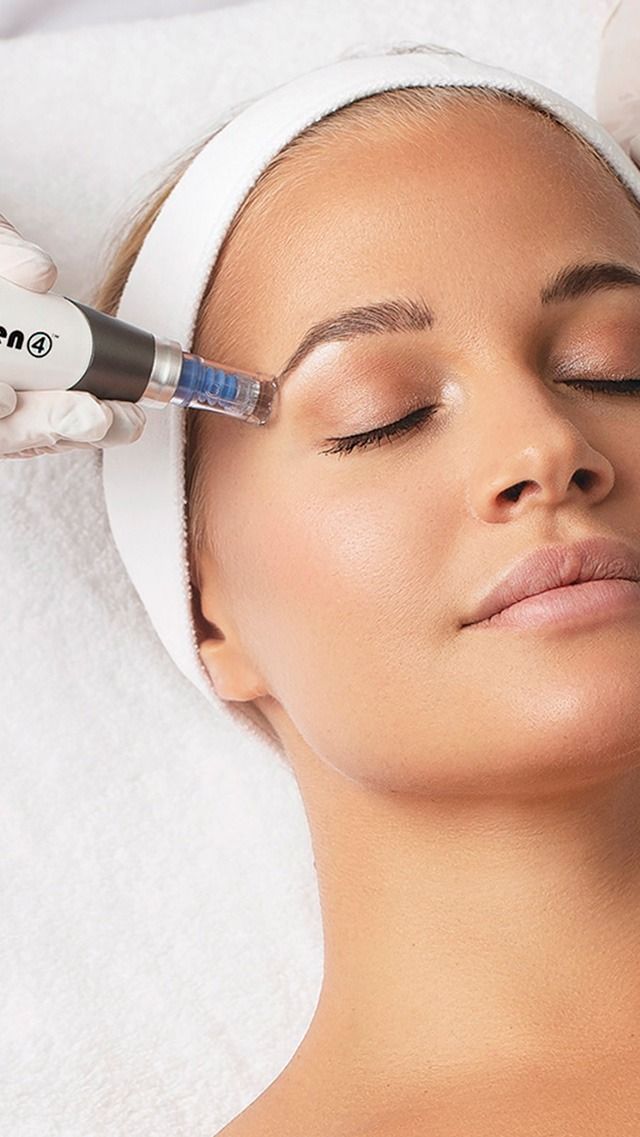
In the ever-evolving world of aesthetic treatments, microneedling has emerged as a highly effective procedure for a wide range of skin concerns. Among the various microneedling devices available, the “Dermapen” stands out as a leading, specialized tool. Often sought for its ability to rejuvenate the skin, reduce scars, and improve overall texture, understanding what dermapen is and how it works can help individuals make informed decisions about their skincare journey.
What is Dermapen?
Dermapen is an advanced, specialized microneedling device that resembles a pen. It features multiple fine, sterile needles that rapidly oscillate, creating controlled micro-injuries on the skin’s surface. Unlike traditional dermarollers, which can cause more trauma due to their rolling motion, Dermapen’s vertical stamping mechanism allows for more precise and consistent punctures. This precision minimizes epidermal damage while maximizing the stimulation of the skin’s natural healing processes.
The device’s design allows practitioners to adjust needle depth and speed, customizing the treatment to different skin areas and concerns, from delicate areas around the eyes to deeper scars on the body.
How Does Dermapen Work? The Science of Collagen Induction
The core principle behind Dermapen’s effectiveness lies in a process known as Collagen Induction Therapy (CIT). When the Dermapen creates thousands of microscopic punctures in the skin, these tiny “micro-injuries” are perceived by the body as controlled wounds. This triggers a powerful natural healing response, which is the key to skin rejuvenation.
Here’s a breakdown of the process:
- Creation of Micro-Channels: As the Dermapen glides over the skin, its fine needles rapidly penetrate the epidermis and, depending on the adjustable depth setting, can reach the dermis. These create thousands of microscopic channels.
- Triggering the Healing Cascade: The skin immediately initiates a wound-healing cascade. This involves:
- Inflammation: An immediate response that increases blood flow and brings growth factors to the treated area.
- Proliferation: New skin cells begin to form, and fibroblasts (cells responsible for producing collagen and elastin) are stimulated.
- Remodeling: Over weeks and months, new collagen and elastin fibers are produced and organized, leading to improved skin structure.
- Collagen and Elastin Production: Collagen provides structural support, making the skin firmer and more resilient. Elastin gives skin its ability to snap back into place after stretching. By stimulating the production of these vital proteins, Dermapen effectively “tricks” the skin into rejuvenating itself.
- Enhanced Product Absorption: The micro-channels created by the Dermapen also serve as pathways, allowing topical serums, growth factors, and other active ingredients to penetrate deeper into the skin than they would with topical application alone. This significantly enhances the effectiveness of skincare products applied during and immediately after the treatment.
What is Dermapen Used to Treat?
Dermapen is a versatile treatment effective for a wide range of skin concerns:
- Acne Scars: It helps break down old scar tissue and stimulates the formation of new, healthy skin, significantly reducing the appearance of pitted (atrophic) acne scars.
- Fine Lines and Wrinkles: By boosting collagen and elastin, it plumps the skin, making lines and wrinkles less noticeable, particularly around the eyes, mouth, and forehead.
- Enlarged Pores: The collagen remodeling around the pores helps to tighten the skin, reducing their visible size.
- Uneven Skin Texture: Promotes the turnover of skin cells, leading to smoother, softer skin.
- Pigmentation Issues: Helps fade hyperpigmentation, sunspots, and melasma by encouraging the shedding of pigmented cells and promoting an even distribution of melanin.
- Stretch Marks: Can stimulate healing and new skin growth within stretch mark tissue.
- Overall Skin Rejuvenation: Leads to a brighter, firmer, and more youthful complexion.
What to Expect During and After Treatment
A topical anesthetic cream is typically applied before the procedure to ensure comfort. During the treatment, the Dermapen device is glided over the skin, and while sensations vary, it’s generally well-tolerated.
After the session, common side effects include redness and mild swelling, similar to a sunburn, which usually subside within 24-48 hours. Some light flaking or dryness may occur in the following days. Downtime is minimal, allowing most individuals to resume normal activities quickly. Full results, as new collagen is produced, typically become visible over 2-3 months, with a series of 3-6 treatments often recommended for optimal outcomes.
Conclusion
Dermapen is a highly effective, minimally invasive skin treatment that harnesses the body’s natural healing capabilities to rejuvenate the skin. By creating controlled micro-injuries, it stimulates collagen and elastin production, leading to smoother texture, reduced scars, and a more youthful appearance. For those seeking significant skin improvement with minimal downtime, Dermapen offers a scientifically-backed and versatile solution.
