


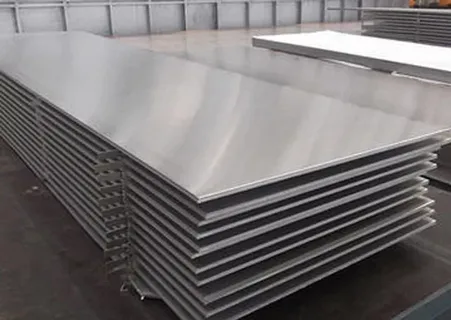
In modern architecture, automotive manufacturing, aerospace design, and industrial engineering, the demand for materials that offer strength without excessive weight is higher than ever. One material consistently stands out for its combination of lightness, durability, and versatility: aluminium. In particular, aluminium plates have become a go-to solution for a wide range of lightweight construction applications.
The Growing Need for Lightweight Materials
As industries push for improved fuel efficiency, lower transportation costs, and easier assembly, the emphasis on lightweight materials continues to grow. In sectors like aerospace and automotive, even small reductions in weight can lead to significant performance and energy savings. This is why aluminium plate is the ideal choice for lightweight construction—offering an unmatched balance between strength and weight.
Key Advantages of Aluminium Plate
1. High Strength-to-Weight Ratio
Aluminium plates provide excellent structural integrity while being significantly lighter than steel. This property allows for more efficient designs, easier transportation, and faster installation without compromising durability.
2. Corrosion Resistance
Another major advantage of aluminium is its natural resistance to corrosion. Aluminium plates form a protective oxide layer that shields them from environmental elements, making them ideal for use in outdoor structures, marine environments, and high-humidity settings.
3. Easy Fabrication and Machinability
Aluminium is easy to cut, shape, and weld, allowing for highly customizable solutions in construction projects. This ease of fabrication reduces both production time and cost—an important factor in large-scale building and manufacturing.
Common Applications in Lightweight Construction
From curtain walls in skyscrapers to panels in aircraft fuselages, aluminium plates are used across a wide spectrum of projects. In the transportation industry, they help reduce vehicle weight, which contributes to lower emissions and better fuel economy. In civil engineering, they are often used in bridges, platforms, and support structures where reduced weight means easier handling and installation.
Sustainability and Recyclability
Another reason why aluminium plate is the ideal choice for lightweight construction lies in its environmental benefits. Aluminium is 100% recyclable without losing its properties, making it a sustainable option. The recycling process also uses only a fraction of the energy required for primary production, adding to its appeal for eco-conscious construction.
Conclusion
When it comes to materials that combine strength, durability, and minimal weight, aluminium plate is the ideal choice for lightweight construction. Its advantages in terms of corrosion resistance, ease of fabrication, and sustainability make it a superior alternative to traditional materials. Whether you’re designing a high-rise building, a lightweight vehicle, or an aircraft, aluminium plates offer the performance and reliability modern projects demand.
