


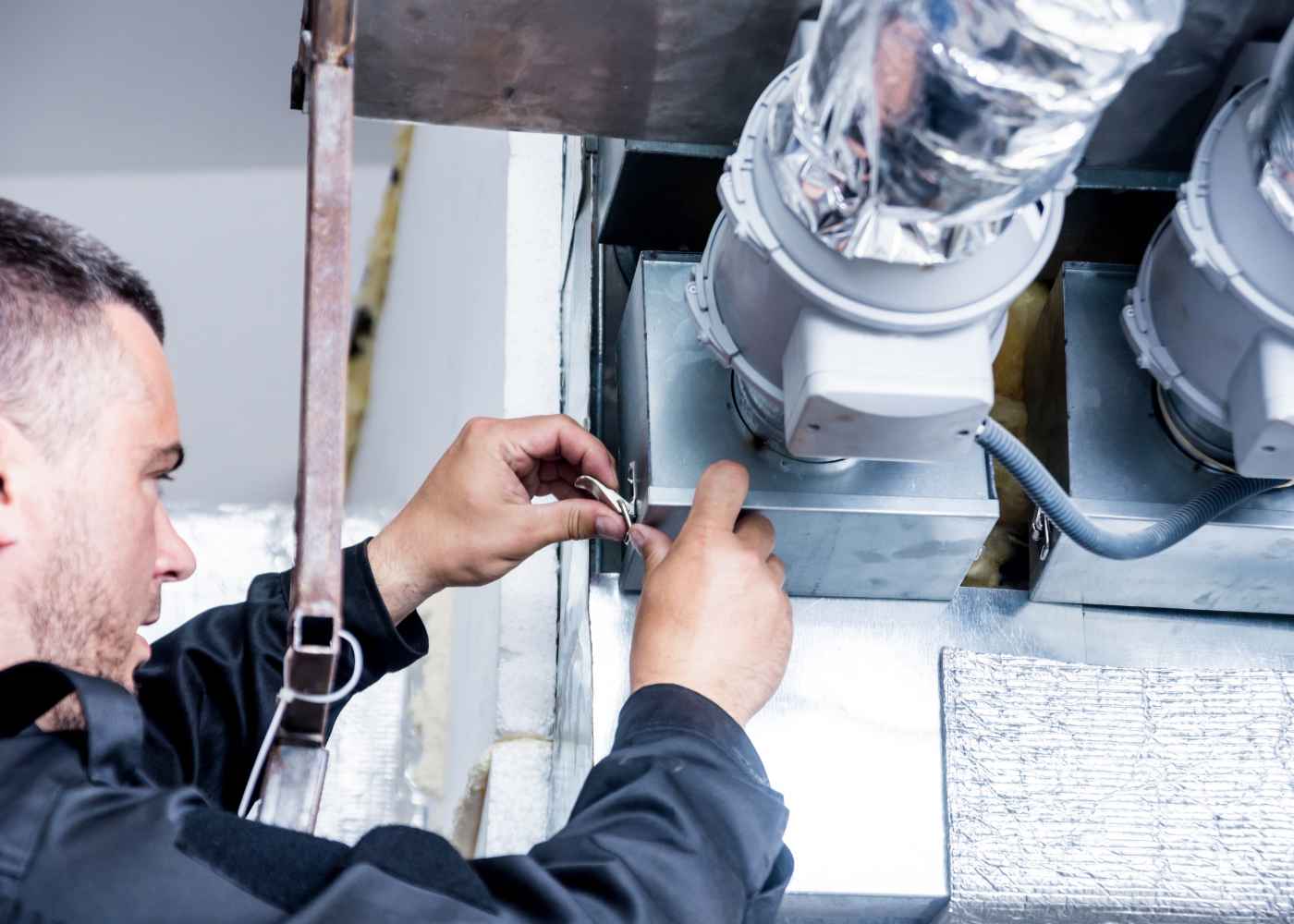
Heating and cooling costs represent significant portions of household budgets, particularly in regions experiencing temperature extremes. Homeowners seeking ways to reduce these expenses often focus on thermostat adjustments, insulation improvements and equipment upgrades while overlooking the ductwork carrying conditioned air throughout their homes. The condition of this hidden infrastructure affects energy consumption in ways many people fail to recognize.
Professional duct cleaning removes accumulated debris that compromises system efficiency and forces HVAC equipment to work harder than necessary. Understanding how clean ducts contribute to lower energy bills helps homeowners make informed decisions about maintaining their heating and cooling systems.
Understanding How Debris Affects Airflow
Dust, pet dander, pollen and other particles accumulate inside ductwork over time, gradually restricting the pathways through which conditioned air travels. This buildup creates resistance that forces blower motors to work harder, pushing air through narrowed passages. The additional effort translates directly into increased energy consumption.
Restricted airflow also causes HVAC systems to run longer cycles, achieving desired temperatures. Rather than quickly heating or cooling spaces and shutting off, systems struggle against debris-caused resistance and operate continuously. These extended run times consume substantially more energy than properly functioning systems require.
The accumulation occurs gradually enough that homeowners rarely notice declining performance until energy bills climb noticeably or comfort levels deteriorate. By then, significant debris has collected throughout the duct system, compounding efficiency losses that professional cleaning can address.
Recognizing Impact on System Components
Beyond simple airflow restriction, debris affects critical HVAC components in ways that reduce efficiency further. Dust settling on evaporator coils acts as insulation that interferes with heat transfer processes. Even thin layers of contamination force systems to work significantly harder, achieving the same results clean coils would produce effortlessly.
Blower motors straining against airflow restrictions experience increased wear that shortens their operational life while consuming more electricity. The additional strain affects other components as well, creating cascading efficiency losses throughout the system. Regular cleaning protects these components while restoring efficient operation.
Filters capture much airborne debris but cannot prevent all contamination from entering ductwork. Particles bypassing filters accumulate gradually, and replacing filters alone does not address contamination already present within ducts and on system components.
Improving Temperature Consistency
Dirty ductwork often creates uneven temperature distribution throughout homes. Some rooms receive adequate conditioned air while others remain uncomfortable regardless of thermostat settings. This inconsistency leads occupants to adjust thermostats higher or lower than necessary, increasing energy consumption while chasing comfort that clean systems would provide automatically.
Supplemental heating or cooling devices often appear in rooms that central systems fail to condition adequately. Space heaters, window air conditioners and portable fans all consume additional energy, addressing problems that originate in contaminated ductwork. Cleaning ducts can eliminate the need for these supplemental devices.
Choosing companies like Long Heating & Air Conditioning, Inc. ensures thorough cleaning that addresses the complete system rather than visible sections alone. Professional service reaches contamination throughout duct runs, restoring consistent airflow that delivers comfort while minimizing energy waste.
Extending Equipment Lifespan
HVAC systems represent substantial investments that homeowners reasonably expect to serve for many years. Equipment forced to operate against dirty ducts experiences accelerated wear that shortens useful life significantly. The premature replacement costs resulting from neglected maintenance far exceed what regular cleaning requires.
Systems operating efficiently under normal conditions experience less stress on motors, compressors and other mechanical components. This reduced strain allows equipment to function within designed parameters rather than constantly straining against resistance. The difference affects both operational costs and long-term equipment survival.
Maintenance costs also decrease when systems operate cleanly. Emergency repairs, component failures and service calls all become less frequent when ductwork remains clear and systems function as designed. These savings compound over years of equipment operation.
Scheduling Professional Service
Industry guidelines suggest duct cleaning every few years under normal circumstances, with more frequent service for homes with pets, allergy sufferers or recent renovation activity. Visual inspection of accessible duct sections can reveal contamination warranting professional attention before scheduled intervals arrive.
Professional cleaning involves specialized equipment that creates negative pressure within duct systems while agitation devices loosen accumulated debris. This thorough approach removes contamination that homeowner efforts cannot address effectively. Certified technicians understand proper techniques that protect ductwork while achieving thorough results.
The investment in professional duct cleaning typically recovers through energy savings within reasonable timeframes. Combined with improved comfort, extended equipment life and better indoor air quality, the return makes regular cleaning a sensible component of home maintenance programs.
Homeowners noticing rising energy costs, inconsistent temperatures or visible dust accumulation around vents should consider whether duct cleaning might address underlying problems. Clean ducts support efficient operation that keeps monthly bills manageable while maintaining comfortable indoor environments throughout heating and cooling seasons.
