


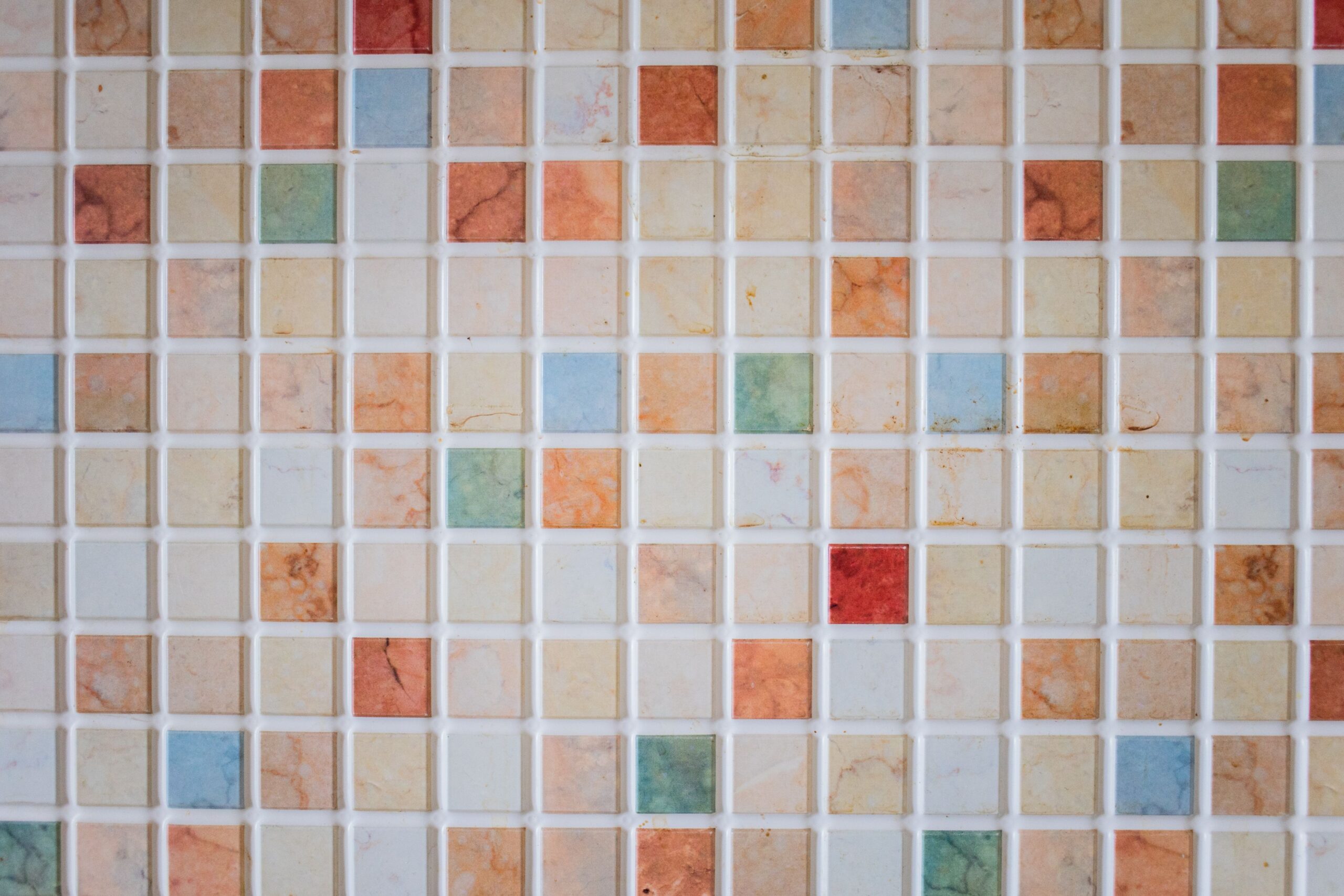
Ceramic tiles can completely change the look and feel of a room. From a bright kitchen backsplash to a durable bathroom floor, the right tile can add personality while serving a practical purpose. However, choosing ceramic tiles involves more than finding a color or pattern that looks good in a showroom.
Tiles are often installed with the expectation that they will remain in place for years. Before making a decision, homeowners should think about where the tiles will be used, how much wear they will receive and whether they suit the overall character of the home. Taking time to consider these details can help create a finished space that is both attractive and practical.
Start With the Room
The best tile for one part of the home may not be appropriate for another. A decorative wall tile that works beautifully as a kitchen backsplash, for example, may not be designed to handle regular foot traffic.
Before comparing styles, consider exactly where the ceramic tile will be installed. Floors typically need materials suitable for walking and everyday wear, while wall applications may allow for more decorative choices.
Bathrooms introduce additional considerations because surfaces are regularly exposed to moisture. Entryways and kitchens may experience more dirt, spills and foot traffic. Matching the tile to the demands of the room can help narrow down the available options.
Think About How the Space Is Used
Two rooms of the same size can have very different needs depending on the household. A kitchen in a busy family home may experience constant activity, while a guest bathroom might be used only occasionally.
Think about who uses the space and how often. Homes with children or pets may benefit from surfaces that are easier to maintain. High-traffic areas may require tiles that can better withstand daily wear.
Lifestyle should play a role in the decision. A tile should not only look appealing when newly installed but also make sense for the way the household actually lives.
Consider the Size of the Tile
Tile size can influence the overall appearance of a room. Larger tiles may create a more continuous look because there are fewer grout lines, while smaller tiles can add detail and visual texture.
The dimensions of the room can also affect the choice. Large-format tiles may work well in open spaces, but the layout and number of cuts required should be considered. Smaller or unusually shaped rooms may present different installation challenges.
Rather than assuming that small rooms always need small tiles, consider the entire layout. The right proportions often depend on the desired design and how the tiles will be arranged.
Look Beyond Color
Color is usually one of the first things people notice, but it is only one part of tile design. Finish, texture and pattern can have just as much influence on the final result.
Light-colored tiles may help create a brighter atmosphere, while darker shades can add depth. Neutral colors can provide flexibility when changing furniture or décor later, whereas bold patterns may become a focal point.
It can be helpful to bring a sample home before making a final decision. Lighting can dramatically change how a color appears. A tile that looks warm under showroom lights may look completely different in natural daylight.
Pay Attention to the Finish
Ceramic tiles are available in a range of finishes, and each can affect both appearance and practicality. Glossy surfaces can reflect light and create a polished appearance, while matte finishes may provide a softer look.
The location of the tile should influence the finish you choose. A surface that looks beautiful on a wall may not necessarily be suitable for a floor. In areas where floors may become wet, slip resistance is an important consideration.
Always check whether a particular tile is intended for the planned application rather than choosing based on appearance alone.
Do Not Forget About Grout
Grout may seem like a minor detail, but it can noticeably change the finished appearance of a tiled surface. A grout color similar to the tile can create a more blended effect, while contrasting grout can emphasize the shape and pattern of each piece.
Maintenance should also be considered. Grout lines can collect dirt and may require regular cleaning, particularly in busy areas.
The width of the grout lines can affect the overall design as well. Discussing these details before installation can help avoid surprises once the project is complete.
Order Enough for the Entire Project
Buying the exact amount of tile needed based only on the room’s measurements can create problems. Installation usually involves cuts, and some tiles may become damaged during the process.
It is generally wise to account for additional material. The amount needed may depend on the room layout and installation pattern.
Having extra tiles can also be useful later if a damaged tile needs to be replaced. Finding an exact match years after installation may be difficult because colors and production batches can vary.
Consider the Installation Pattern
Even a simple ceramic tile can look completely different depending on how it is installed. Straight layouts can create a clean appearance, while diagonal or other patterns may add movement and visual interest.
More complicated patterns may require additional planning and materials. They can also affect labor requirements because more cuts may be necessary.
Before committing to a layout, consider how the pattern will work with the dimensions of the room. The placement of cabinets, doors and other fixed features may influence where tile lines begin and end.
Balance Your Budget
The cost of ceramic tile is only one part of the overall project. Homeowners should also consider installation materials, labor and preparation work.
A less expensive tile does not always mean a less expensive project if the installation is particularly complex. Likewise, choosing a simple layout may allow more of the budget to go toward the tile itself.
Setting a realistic total budget before shopping can make comparisons easier and reduce the likelihood of unexpected expenses.
Choose for the Home You Actually Live In
The right ceramic tile should fit both the design of the home and the realities of everyday life. A beautiful surface that is difficult to maintain may become frustrating, while a practical tile that does not suit the space may leave the room feeling unfinished.
Consider the location, household activity and long-term maintenance before making a final choice. Take samples home when possible and view them in the actual space at different times of day.
Ceramic tiles can remain part of a home for many years. By looking beyond trends and considering how the material will function in daily life, homeowners can choose tiles that continue to feel like the right decision long after installation is complete.
