


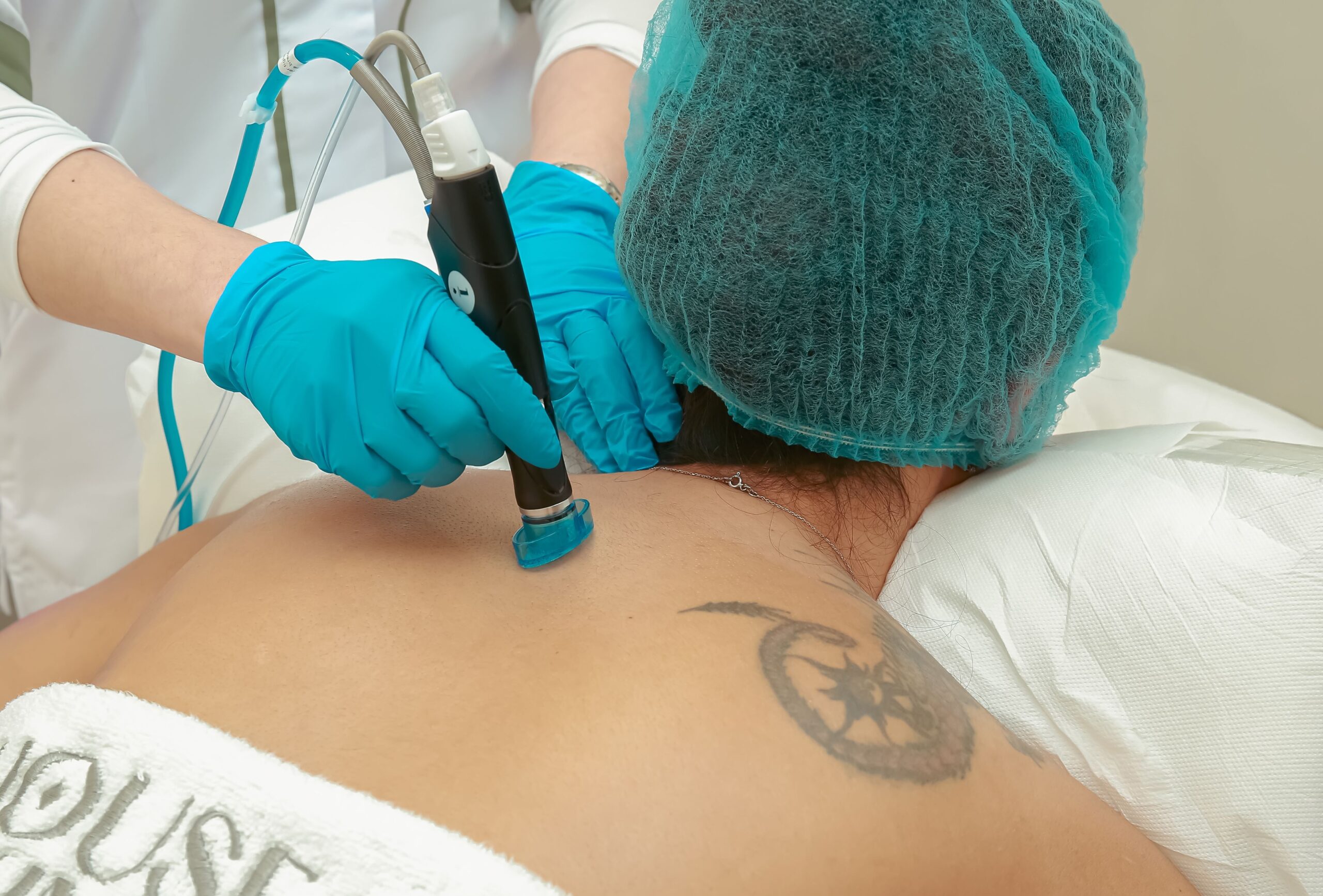
Laser tattoo removal is a gradual process that uses targeted laser energy to break down tattoo pigment so the body can clear it over time. While the treatment itself is an important part of the process, what happens afterward also deserves careful attention. The treated skin may be sensitive and require time to recover between sessions.
Following appropriate aftercare instructions can support healing and help reduce the likelihood of unnecessary irritation. Because individual treatment plans and skin responses vary, patients should always prioritize the specific instructions provided by their qualified treatment provider.
Follow the Aftercare Instructions You Receive
The first and most important step after laser tattoo removal is to follow the instructions provided by the professional who performed the treatment. Recommendations may vary depending on the laser used, the location and size of the tattoo, and how the skin responds.
Your provider may recommend specific methods for keeping the area clean or protected. If those instructions differ from general advice found online, follow the guidance given for your individual treatment.
It is also important to ask questions if anything is unclear. Understanding what is expected during the healing period can make it easier to recognize normal changes and know when professional advice may be needed.
Keep the Treated Area Clean
The skin may feel sensitive after a laser tattoo removal session. Keeping the area clean can help protect it while it heals.
Use the cleaning method recommended by your provider and avoid aggressive scrubbing. When drying the area, gently pat rather than rub the skin. Clean hands are also important before touching the treated area or changing any dressing that may have been applied.
Avoid applying products that have not been recommended for aftercare. Fragranced lotions and other potentially irritating products may be uncomfortable on recently treated skin.
Avoid Picking at the Skin
Temporary skin changes may occur after treatment. Depending on the individual response, the area may develop redness, swelling, blistering or scabbing. It can be tempting to pick at peeling skin or disturb a scab, but allowing the area to heal naturally is generally important.
Picking can interfere with the healing process and may increase the risk of irritation or changes to the skin. If a blister develops, avoid intentionally breaking it unless a healthcare professional specifically advises otherwise.
If you are uncertain whether a skin reaction is expected, contact your treatment provider rather than trying to manage it by picking or removing affected skin.
Protect the Area From Sun Exposure
Sun protection is an important consideration during the tattoo removal process. Recently treated skin may be more sensitive to ultraviolet exposure.
Follow your provider’s recommendations regarding sun avoidance and sunscreen use. Depending on the stage of healing, covering the area with suitable clothing may provide additional protection when outdoors.
Sun protection may also be important between treatment sessions. Because laser tattoo removal often requires multiple appointments over time, caring for the skin throughout the entire process can help keep it ready for future treatment.
Be Careful With Physical Activity
The location of the tattoo can influence how comfortable certain activities feel after treatment. Exercise may increase sweating or cause clothing to rub against the treated area.
Ask your provider when it is appropriate to return to your usual activities. If the area feels irritated, consider avoiding activities that create excessive friction or discomfort until the skin has had time to recover.
This does not necessarily mean avoiding all movement. The goal is to prevent unnecessary irritation and follow the recovery guidance appropriate for your treatment.
Avoid Excessive Heat and Water Exposure
Recently treated skin may benefit from avoiding environments that could cause additional irritation. Hot tubs, saunas and very hot showers may not be appropriate immediately after a session.
Swimming may also need to be avoided for a period of time, particularly while the skin is still healing. Pools and other bodies of water can expose the treated area to substances or microorganisms that may affect vulnerable skin.
Your provider can explain how long to wait before returning to these activities. The recommended timeframe may depend on how quickly the area heals.
Wear Comfortable Clothing
If the tattoo is located beneath clothing, choose garments that do not constantly rub against the treated skin. Loose and breathable clothing may be more comfortable during the early stages of recovery.
Tight clothing can create friction, particularly if the area is tender or swollen. Consider the location of the treatment when selecting what to wear for the first few days.
Comfort is a useful guide, but it should not replace professional aftercare instructions. If a dressing is required, make sure clothing does not interfere with it.
Give the Body Time to Recover
Laser tattoo removal is not usually completed in a single session. The body needs time between treatments, and the tattoo may change gradually rather than disappearing immediately.
Avoid rushing the process by scheduling sessions closer together than recommended. Treatment timing is determined by several factors, and allowing adequate recovery is an important part of the overall plan.
Results can vary based on the tattoo’s colors, ink depth, location and other individual factors. Patience is often necessary as the tattoo gradually fades over multiple sessions.
Pay Attention to Unusual Changes
Some temporary discomfort and visible skin changes may occur after treatment, but patients should monitor the area during recovery.
Contact your treatment provider if you are concerned about how the skin is healing or if symptoms appear to be worsening rather than improving. Significant pain or other unexpected changes should be assessed by a qualified professional.
Seeking guidance early is preferable to relying on home remedies that may further irritate the skin.
Support the Healing Process
Aftercare is an important part of the laser tattoo removal process. Keeping the area clean, avoiding unnecessary irritation and protecting the skin can support recovery between treatment sessions.
The most appropriate aftercare routine will depend on the treatment and the individual. Always follow the instructions provided by your qualified practitioner and ask for advice when something does not seem right.
Laser tattoo removal takes time, and proper care should continue throughout the process. By treating the skin gently and allowing enough time for recovery, patients can approach each stage of treatment with greater confidence.
